Small Daily Habits That Make a Big Difference in Your Dog’s Health

A dog’s wellbeing is shaped far more by everyday routines than by the big moments. Vet visits, grooming appointments, and training sessions all matter, but it is the small, consistent habits at home that quietly influence long term health. Dogs rely on structure. They feel calmer and more balanced when their daily rhythm stays predictable.
These small habits often blend into your normal day. You may not even think about them, yet they support everything from digestion to behaviour to emotional comfort.
Establishing a Predictable Routine
Dogs thrive when their days follow a comfortable pattern. Regular feeding times support digestion. Morning walks set the tone for the day. Even something simple like greeting your dog with a calm voice when you wake up becomes a piece of their emotional stability.
Consistency does not need to be strict, but predictable rhythms help your dog understand what to expect. This sense of certainty reduces stress and helps them stay relaxed, even when occasional changes happen.
Mindful Feeding Habits
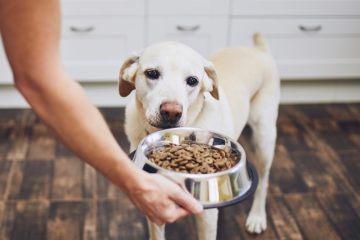
Small feeding choices add up slowly over time. Many owners unintentionally overfeed by estimating portions instead of measuring them. A few extra bites here and there can lead to steady weight gain, which puts strain on joints and overall health.
Snacks are part of most homes too. Some owners keep them near the kitchen, others keep a few in their pockets for training. These little decisions matter. For example, some people prefer offering simpler options such as dog treats when they want something easy to digest. It fits naturally into daily routines without requiring any major change.
Being mindful of what and how often you give these small rewards makes a quiet but meaningful difference.
Daily Movement in Small Doses
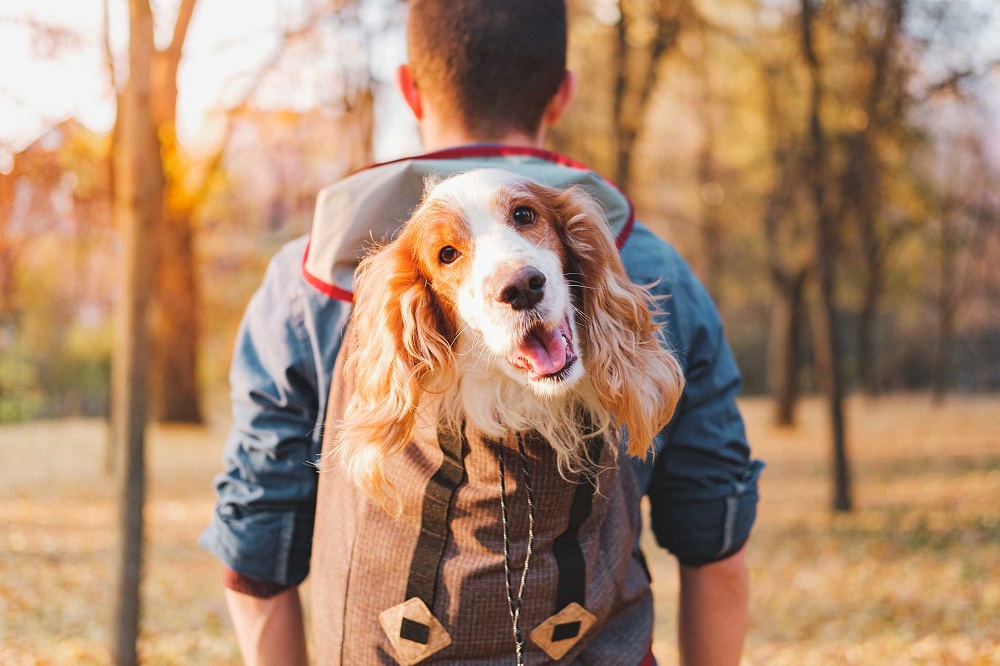
Not every day needs a long hike. What matters more is the presence of movement, even in short bursts. A brief walk before work, a few minutes of fetch, or a little stretching time in the evening keeps your dog active.
These tiny moments prevent stiffness and help regulate energy. Dogs do not always need big exercise sessions. They need regular, predictable motion throughout the day.
Grooming as a Quick Wellness Check
A two minute brushing session can show you things you might otherwise miss. You may notice a slight change in the skin, a small bump, a tiny tangle, or a bit of dryness around the paws. These small checks help you spot issues early.
Grooming also strengthens bonding. The gentle touch creates comfort and trust, especially when done regularly.
Mental Stimulation in Everyday Moments
Mental health is supported by simple actions. Allowing your dog to sniff during a walk offers more stimulation than many toys. Rotating a few toys weekly keeps them interested. Letting them explore new scents or giving them a simple chew item adds variety.
These small interactions prevent boredom, which is often the root of unwanted behaviour.
Quiet Bonding Time
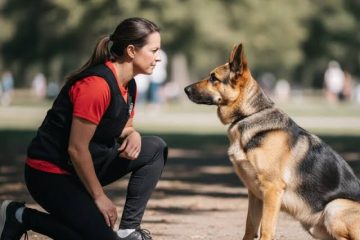
Dogs notice the little emotional moments. Sitting beside them while reading, talking to them softly during your break, or giving a gentle scratch behind the ear helps them feel secure. They do not need grand gestures. They need steady, undistracted presence.
Even a few minutes of calm connection each day supports emotional health.
Quality Rest and a Calm Space
A cosy resting spot, soft bedding, and a quiet corner help your dog feel safe. Cleaning the area regularly prevents irritation and promotes better sleep. Observing how they rest also helps you catch early signs of discomfort.
Sleep is a crucial part of overall wellbeing, and small adjustments to their resting environment can improve it significantly.
Small Habits With Big Results
In the end, it is not dramatic changes that make a dog healthier. It is the sum of all the tiny, consistent actions built into an ordinary day. Feeding choices, small exercise sessions, quick grooming checks, mental stimulation, and a few calm minutes of affection all work together to shape a healthier, happier life.
You do not need to overhaul your routine. One small change at a time will always move your dog toward better health.