Dog Bladder Inflammation: Recognizing the Early Warning Signs
Bladder inflammation is very common in dogs. This may happen across all ages and breeds. “Cystitis” happens when the bladder gets irritated or swollen. This can lead to discomfort. This health condition is often linked with bacterial infections. But it can also come from the bladder or other causes. Dog bladder inflammation symptoms (สุนัข กระเพาะปัสสาวะอักเสบ อาการ) are not hard to recognize. Pet owners can then get help sooner. This may also avoid bigger complications later.
Understanding Bladder Inflammation
The bladder holds the urine until it’s ready to be excreted from the body. A dog might show signs of discomfort when the bladder gets irritated. That swelling can start for different reasons. No matter the cause, getting a diagnosis as soon as possible is crucial. Treatment should start early for this problem. Knowing the symptoms is a huge part of keeping your dog healthy overall.
Frequent Urination
A typical sign of bladder inflammation is that your dog suddenly needs to urinate more often. A dog with cystitis might want to go outside more frequently. However, the urine output may be small each time they go. This happens because the inflamed bladder sends the signal for them to pee even when it’s almost empty. Do not disregard it if you notice this. Watch closely for any other signs that go along with it.
“Trying” to Pee
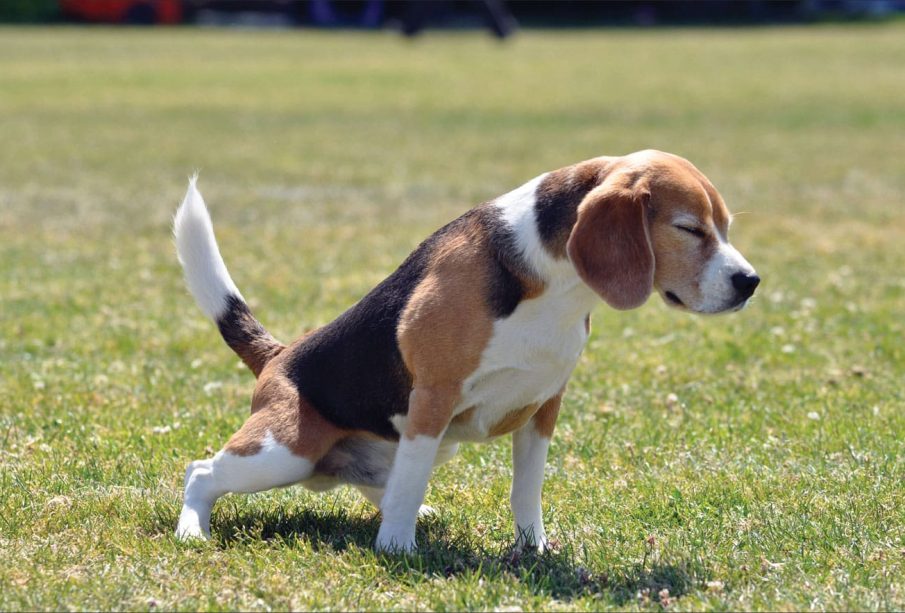
The inflammation may also cause difficulty peeing. When dogs get inflammation in the bladder, they could be straining while trying to urinate. You will notice your dog crouching or lifting one leg for a while, longer than usual. Still, they get out very little urine. That’s why any straining should not be brushed off. A vet check is a good idea since the cause of this can be hard to determine.
Blood in the Urine
Seeing blood in the urine is a major red flag. The urine might look pink, red, or faintly tinted. The color often depends on the intensity of the inflammation. Blood is caused by the irritation of the bladder lining. Getting a diagnosis early helps sort out the cause and get treatment started sooner.
Accidents Indoors
Even dogs that are well house-trained can start having accidents inside when they are dealing with bladder inflammation. Constantly having that urge to pee can make it hard for your dog to hold it in. So if a dog that was fine at home suddenly starts urinating indoors, it’s best to think medical first. Changes in bathroom routine are the first signs of a urinary tract infection.
Obvious Signs of Discomfort
Bladder inflammation can be uncomfortable for dogs. Some of them may whine and act restless. Some dogs lick their genital area more often than usual. You might also notice some mood shifts. A sudden change in behavior is also a reason to watch your dog closely for other signs.
Strong Urine Odor
Urine that gives off a stronger odor can also point to a urinary problem. Usually, infections can change how urine looks and smells. That’s because bacteria are present. Even if you don’t notice it right away, these signs can be useful when you are trying to understand your dog’s sudden change in behavior. A veterinarian can do urine testing to figure out the reasons.
Conclusion
Inflammation of the bladder is not something that should be taken lightly. There are obvious signs that you should notice right away. Observe your dog and see if there’s any improvement. If it keeps getting worse, bring your dog to the vet as soon as possible. Get the right treatment early.