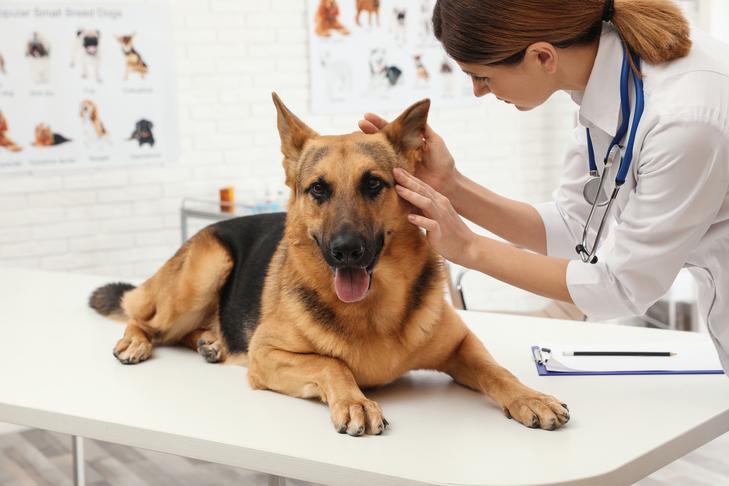
Comprehensive Guide to Veterinary Care: Essential Practices for Pet Health
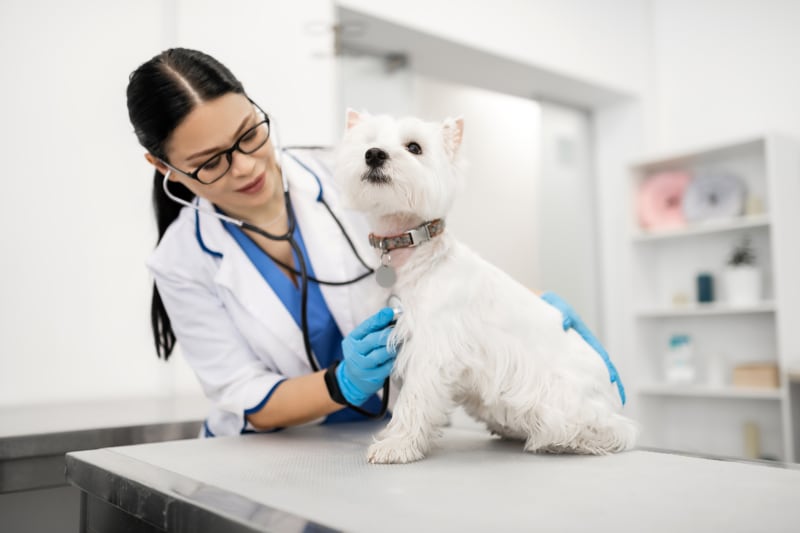
Veterinary care is the foundation of a long, healthy life for pets. Whether you are a first-time pet parent or an experienced animal caregiver, understanding the principles of proper veterinary care helps you make informed decisions that improve your pet’s wellbeing.
Understanding the Role of a Veterinarian
A veterinarian is a licensed medical professional trained to diagnose, treat, and prevent illnesses in animals. Their responsibilities go beyond checkups—they also provide guidance on nutrition, behavior, hygiene, and long-term wellness.
Key Responsibilities of Veterinarians
-
Preventive care, including routine vaccinations
-
Medical diagnosis using physical exams and diagnostic tools
-
Treatment and surgery for injuries or illnesses
-
Emergency and critical care support
-
Care for various species, from dogs and cats to reptiles and birds
Importance of Preventive Veterinary Care
Preventive care reduces the risk of serious health problems and ensures early detection of diseases.
Core Components of Preventive Care
-
Vaccinations to protect against viral and bacterial illnesses
-
Parasite prevention, including flea, tick, and heartworm control
-
Regular wellness exams (typically yearly or semi-yearly)
-
Dental checkups to avoid periodontal disease
-
Nutritional assessments for optimal health and weight
-
Senior pet monitoring to detect age-related diseases early
Common Veterinary Services
Veterinary clinics provide a wide range of services tailored to different health needs.
Routine Services
-
Health examinations
-
Microchipping
-
Spaying and neutering
-
Behavior consultation
-
Diet and weight management
Diagnostic Services
Modern clinics use advanced technology to detect underlying issues quickly and accurately. Common diagnostic tools include:
-
X-rays for skeletal and soft tissue imaging
-
Ultrasound for internal organ evaluation
-
Bloodwork and urinalysis for detecting infections or organ dysfunction
-
Allergy testing to diagnose environmental or food-related reactions
Surgical and Emergency Care
For serious conditions, veterinarians perform life-saving surgeries and emergency procedures. Examples include:
-
Orthopedic surgeries
-
Removal of tumors
-
Treatment for trauma or poisoning
-
Intensive care hospitalization
Specialized Veterinary Care
Beyond general practice, some pets require specialized treatment.
Common Veterinary Specialties
-
Dermatology for chronic skin issues
-
Cardiology for heart and circulatory conditions
-
Oncology for cancer diagnosis and treatment
-
Ophthalmology for eye disorders
-
Neurology for brain and nerve problems
Choosing the Right Veterinary Clinic
Selecting the best clinic for your pet ensures quality care and peace of mind.
Factors to Consider
-
Qualifications and experience of the veterinary team
-
Range of available services
-
Cleanliness and modern equipment
-
Emergency availability
-
Clear communication and compassionate handling of animals
What to Observe During Your First Visit
-
Staff friendliness
-
Ability to explain medical conditions clearly
-
Transparency about pricing
-
Comfort level of your pet in the environment
Supporting Your Pet’s Health at Home
Veterinary care works best when combined with proper care at home.
Essential At-Home Practices
-
Maintain a balanced diet suitable for your pet’s age and breed
-
Ensure regular exercise
-
Keep up with flea/tick medications and deworming schedules
-
Provide mental stimulation through toys, training, and enrichment
-
Monitor for signs of illness such as unusual behavior, eating changes, or skin abnormalities
FAQs
1. How often should I take my pet to the vet?
Most pets need a checkup once a year, but seniors and pets with medical issues may require more frequent visits.
2. What vaccinations are essential for dogs and cats?
Core vaccines typically include rabies, distemper, and parvovirus for dogs; rabies, panleukopenia, and calicivirus for cats.
3. How can I tell if my pet is in pain?
Common signs include limping, hiding, aggression, reduced appetite, and vocalizing more than usual.
4. Should I get pet insurance?
Pet insurance can help cover unexpected medical costs and is beneficial for long-term health planning.
5. When should my pet be spayed or neutered?
Most pets undergo the procedure between 6–12 months of age, depending on species and breed.
6. What is the best diet for my pet?
A veterinarian can recommend a diet based on age, breed, weight, and health conditions.
7. How do I choose a qualified veterinarian?
Look for proper licensing, good reviews, modern equipment, and a clinic where both you and your pet feel comfortable.