Comprehensive Guide to Dogs: Traits, Care, Training, and Companionship

Introduction
Dogs have long been cherished as trusted companions, service partners, and beloved family members. Their intelligence, emotional sensitivity, and diverse abilities make them one of the most remarkable animals to share our lives. Understanding their behavior, needs, and traits is the key to raising a healthy and happy dog.
Understanding Dog Characteristics
Physical Traits
Dogs vary widely in appearance due to selective breeding over centuries. They can be tiny or giant, athletic or stocky, with coats that differ in length, texture, and color. These variations influence their exercise needs, grooming requirements, and even temperament.
Common physical variations include:
-
Size: Toy, small, medium, large, and giant breeds
-
Coat Types: Short, long, curly, wire-haired, or double-coated
-
Body Build: Muscular, slim, compact, or elongated
-
Color Patterns: Solid, bicolor, tricolor, merle, and brindle
Behavior and Temperament
A dog’s temperament is shaped by both genetics and environment. While every dog is unique, many display consistent characteristics such as loyalty, affection, curiosity, and protectiveness. Early socialization is crucial for shaping well-rounded behavior.
Typical behavioral traits:
-
Loyalty and attachment to owners
-
High trainability, especially in working breeds
-
Playfulness and social nature
-
Protective instincts toward family members
Essential Dog Care
Nutrition
A balanced diet supports a dog’s immune system, energy levels, and growth. High-quality dog food with appropriate protein, fats, vitamins, and minerals is essential for every life stage.
Key nutritional considerations:
-
Choose food formulated for your dog’s age (puppy, adult, senior)
-
Ensure adequate protein for muscle development
-
Avoid harmful foods like chocolate, onions, and grapes
-
Provide fresh water at all times
Grooming
Grooming helps maintain coat health and prevents skin issues. Frequency depends on breed and coat type.
Basic grooming tasks:
-
Brushing to remove loose fur and prevent matting
-
Regular bathing using dog-safe shampoo
-
Nail trimming to prevent discomfort or injury
-
Ear cleaning to reduce the risk of infections
Exercise and Mental Stimulation
Dogs need regular physical activity to stay healthy and avoid behavioral problems. Mental enrichment is equally important to prevent boredom.
Effective forms of exercise:
-
Daily walks or runs
-
Fetch, tug-of-war, and interactive games
-
Agility training or obedience drills
Training and Socialization
Basic Training
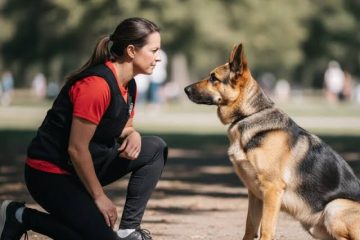
Training helps dogs develop manners and improve communication with their owners. Positive reinforcement remains the most effective and humane training method.
Core commands every dog should learn:
-
Sit
-
Stay
-
Come
-
Leave it
-
Heel
Socialization
Socialization exposes dogs to various environments, animals, and people. This reduces fear and helps them develop confidence.
Areas to focus on:
-
Meeting other dogs and pets
-
Exposure to different sounds and places
-
Interaction with children and adults
Health and Wellness
Routine Veterinary Care
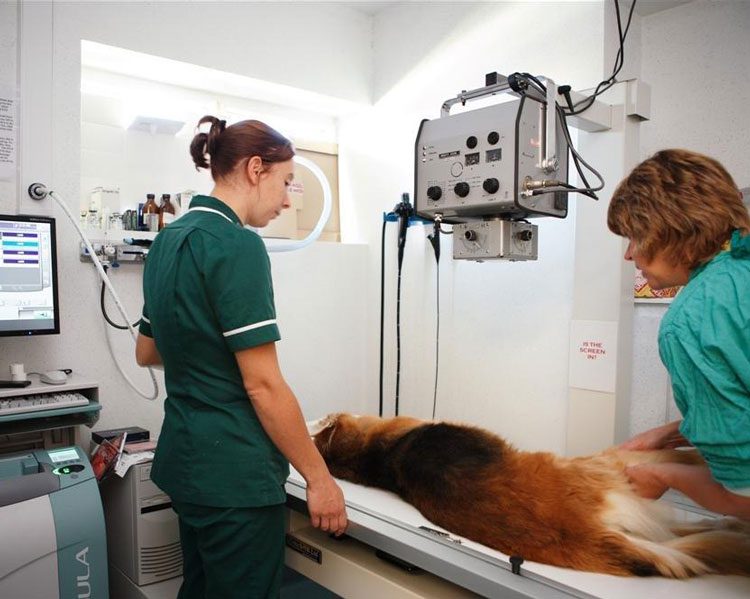
Regular vet visits help prevent disease and maintain long-term well-being. Puppies require more frequent checkups for vaccinations and development monitoring.
Important health considerations:
-
Vaccinations
-
Parasite prevention
-
Annual wellness exams
-
Dental care
-
Spaying or neutering
Recognizing Signs of Illness
Early detection often leads to better outcomes. Pet owners should watch for symptoms such as lethargy, appetite changes, coughing, vomiting, or unusual behavior.
Choosing the Right Dog
Factors to Consider
Selecting a dog should be based on lifestyle compatibility, environment, and personal preference. Some breeds require extensive exercise, while others thrive in quieter settings.
Key points to evaluate:
-
Energy level
-
Grooming needs
-
Size and living space
-
Temperament
-
Family dynamics, including children or other pets
Adoption vs. Buying
Adopting from a shelter offers a second chance to dogs in need. Buying from reputable breeders is an option for those seeking specific traits or breed characteristics. Always avoid puppy mills and unethical sellers.
FAQs
1. How often should I feed my dog?
Most adult dogs eat twice daily, while puppies may require three to four meals depending on age.
2. What is the best age to start training a puppy?
Training can begin as early as eight weeks, focusing first on simple commands and socialization.
3. How much exercise does a typical dog need?
Most dogs need at least 30–60 minutes of daily activity, but high-energy breeds may require more.
4. Are mixed-breed dogs healthier than purebreds?
Mixed breeds can have more genetic diversity, which sometimes reduces the risk of inherited conditions, though both types can be healthy with proper care.
5. How do I know which breed is right for my lifestyle?
Consider factors such as your activity level, space, grooming time, and experience with dogs.
6. What vaccinations do dogs need?
Core vaccines typically include rabies, distemper, parvovirus, and adenovirus. Your vet may recommend additional vaccines based on environment.
7. How can I help my dog adjust to a new home?
Provide a calm environment, consistent routine, gentle guidance, and plenty of reassurance to ease the transition.