The Ultimate Guide to Cats: Behavior, Care, Breeds, and FAQs
Cats have been cherished companions for thousands of years, admired for their independence, elegance, and affectionate nature. Whether you’re considering adopting a cat or simply want to understand them better, learning about their needs, behavior, and care is essential for creating a healthy bond.
Understanding Cat Behavior
Natural Instincts
Cats are guided by deeply rooted instincts that influence their actions:
-
Hunting Behavior: Even well-fed cats love to stalk, chase, and pounce, reflecting their predatory ancestry.
-
Territoriality: Most cats prefer having a defined space where they feel safe and in control.
-
Scratching Habits: Scratching helps maintain claw health and mark territory.
Communication
Cats communicate through subtle signals:
-
Vocalizations such as meows, purrs, chirps, and hisses.
-
Body Language, including tail movements, ear positions, and eye contact.
-
Scent Marking using glands on their face and paws.
Understanding these cues allows owners to respond to their cat’s emotional and physical needs.
Health and Wellness
Nutrition Essentials
A balanced diet is crucial for longevity and vitality. Cats thrive on:
-
High-quality protein as the main nutrient.
-
Taurine, an essential amino acid for heart and eye health.
-
Proper hydration, which can be boosted with wet food options.
Avoid feeding cats dog food, processed human snacks, or foods toxic to them such as onions, garlic, and chocolate.
Routine Veterinary Care
Regular checkups ensure early detection of health issues. Key aspects include:
-
Vaccinations to prevent common diseases.
-
Parasite prevention for fleas, ticks, and worms.
-
Dental care to reduce plaque and gum disease.
Common Health Concerns
Some typical health problems include:
-
Obesity due to inactivity or overfeeding.
-
Urinary tract issues, especially in male cats.
-
Allergies that may appear as skin irritations or respiratory symptoms.
Grooming and Hygiene
Coat Care
Grooming needs vary by breed:
-
Short-haired cats: Occasional brushing to reduce shedding.
-
Long-haired cats: Frequent grooming to prevent matting.
Nail and Dental Care
Keep nails trimmed regularly, and encourage dental hygiene through special treats, toys, or brushing routines.
Litter Box Management
Maintain a clean litter box by:
-
Scooping daily
-
Full litter changes weekly
-
Providing one box per cat, plus one extra
Living With a Cat
Environmental Enrichment
A stimulating environment prevents boredom and destructive behaviors. Provide:
-
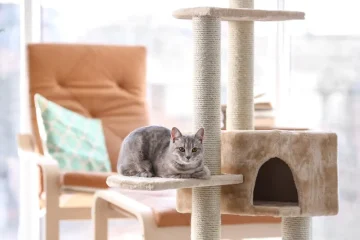
Climbing structures and cat trees
-
Interactive toys
-
Scratching posts
-
Window perches
Socialization
Cats enjoy companionship but also value personal space. Respecting their boundaries leads to a more trusting relationship.
Popular Cat Breeds
Siamese
Known for striking blue eyes, vocal personality, and affectionate behavior.
Maine Coon
Large, friendly, and gentle—ideal for families seeking a playful companion.
Persian
Recognized for a calm temperament and distinctive long coat.
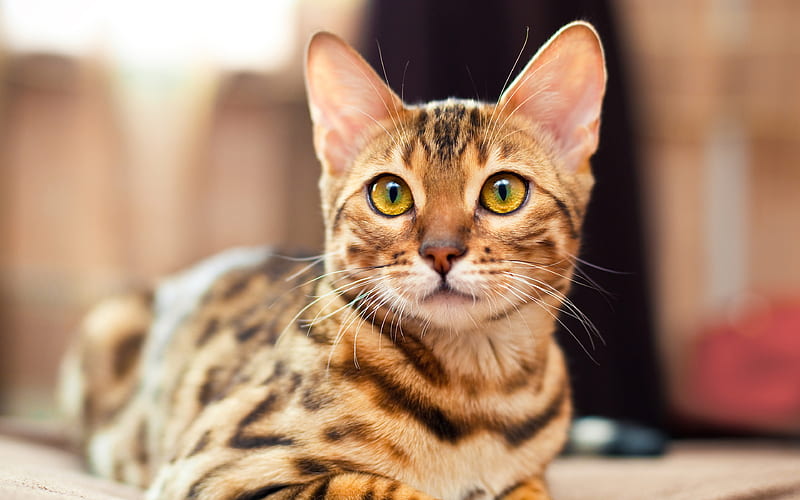
Bengal
Energetic, intelligent, and notable for their wild-looking spotted patterns.
British Shorthair
Easygoing, sturdy, and cherished for their plush coat and round face.
FAQs
1. How long do cats typically live?
Indoor cats often live 12–20 years, depending on genetics and lifestyle.
2. What’s the best age to adopt a kitten?
Many experts recommend adopting at 8–12 weeks, when kittens are socialized and weaned.
3. Why does my cat knead with its paws?
Kneading is a comforting behavior linked to kittenhood and often signals contentment.
4. How can I stop my cat from scratching furniture?
Provide scratching posts, encourage use with catnip, and place them near commonly scratched areas.
5. Do cats need baths?
Cats usually groom themselves, but long-haired or elderly cats may need occasional bathing.
6. Why does my cat bring me “gifts” like insects or toys?
This behavior mimics hunting instincts and may be your cat’s way of sharing or teaching.
7. How can I introduce a new cat to my home with existing pets?
Start with slow, controlled introductions, separate spaces, and scent exchange to ease stress.