
Understanding Animals: Diversity, Behavior, and Importance in the Natural World
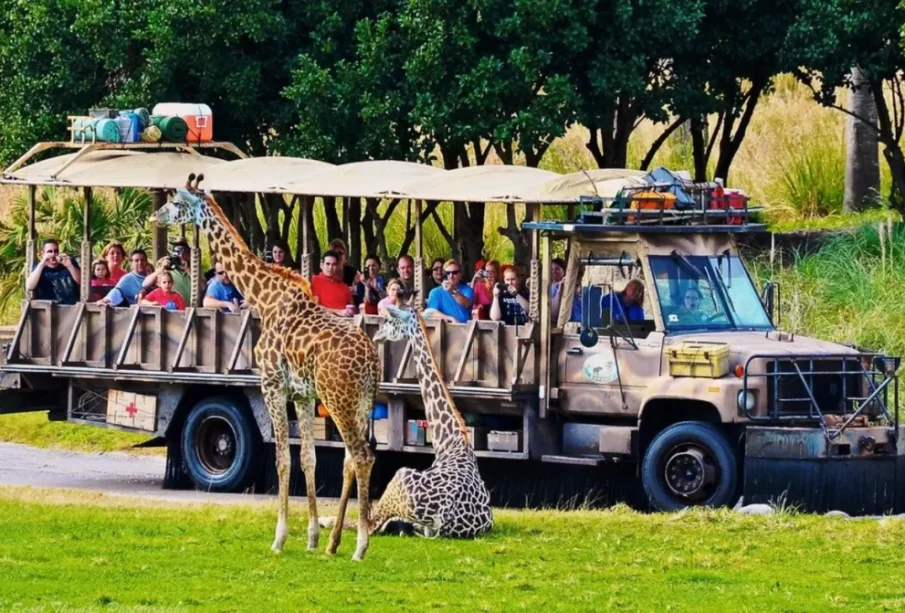
Animals represent one of the most diverse and fascinating groups of living organisms on Earth. From microscopic creatures to the largest mammals ever known, the animal kingdom showcases remarkable adaptations, survival strategies, and ecological roles that support life across the planet.
What Are Animals?
Animals are multicellular, eukaryotic organisms belonging to the kingdom Animalia. They are typically characterized by their ability to move, consume organic material for energy, and respond quickly to environmental stimuli. This broad group includes millions of species ranging from insects and birds to mammals, reptiles, and marine life.
Major Classifications of Animals
Vertebrates
These animals possess a backbone or vertebral column. They include:
-
Mammals
-
Birds
-
Reptiles
-
Amphibians
-
Fish
Invertebrates
These animals lack a backbone and make up over 95% of all animal species. Key groups include:
-
Insects
-
Arachnids
-
Mollusks
-
Crustaceans
-
Cnidarians (jellyfish, corals)
Where Animals Live
Animals inhabit nearly every environment imaginable. Their incredible adaptability allows them to thrive in places such as:
Forests
Dense vegetation offers food sources and shelter for millions of species.
Oceans
Home to whales, dolphins, corals, and countless fish species.
Deserts
Animals like camels, lizards, and insects survive extreme temperatures and scarce water.
Polar Regions
Arctic foxes, penguins, and seals endure frigid climates with specialized adaptations.
Grasslands
Large herbivores and their predators coexist in vast open plains.
How Animals Behave
Animal behavior varies widely and often reflects the need to survive and reproduce. Some common behavioral traits include:
-
Migration: Seasonal movement in search of food or breeding grounds.
-
Hibernation: Energy conservation during harsh climates.
-
Communication: Through vocalizations, body language, scent marking, or color changes.
-
Social Structures: Seen in species like wolves, ants, and elephants.
Importance of Animals in Ecosystems
Animals play essential roles in maintaining ecological balance:
Pollination
Bees, butterflies, and certain birds help plants reproduce.
Seed Dispersal
Animals spread seeds through digestion or physical movement.
Maintaining Food Chains
Predators, prey, and scavengers all contribute to a stable environment.
Soil Health
Earthworms and insects help break down organic matter, enriching the soil.
Threats to Animals
Modern challenges have placed many animal species at risk. Major threats include:
-
Habitat Loss
-
Pollution
-
Climate Change
-
Poaching and Illegal Trade
-
Invasive Species
How Humans Can Help Protect Animals
Everyone can play a part in safeguarding wildlife:
-
Support conservation organizations
-
Reduce waste and pollution
-
Plant native trees and flowers
-
Respect wildlife habitats
-
Choose sustainable products
-
Advocate for stronger environmental policies
FAQs
1. What is the difference between vertebrates and invertebrates?
Vertebrates have a backbone, while invertebrates do not. Invertebrates also represent the majority of known animal species.
2. How many animal species exist on Earth?
Scientists estimate there are over 8.7 million species, though many remain undiscovered.
3. Why do some animals migrate?
Migration helps animals find better feeding grounds, suitable climates, or safer breeding areas.
4. What causes animals to become endangered?
Common causes include habitat destruction, climate change, pollution, and illegal hunting.
5. How do animals adapt to extreme environments?
They develop physical and behavioral traits such as thick fur, water conservation abilities, or nocturnal habits.
6. Are all animals capable of communication?
Yes, all animals communicate in some form, ranging from sounds and signals to scents and movements.
7. What role do predators play in ecosystems?
Predators help control population sizes, preventing overgrazing and maintaining ecological balance.

Amazing Ways Animals Communicate with One Another
September 12, 2026
How Climate Change Is Threatening Endangered Animals Worldwide
September 12, 2026
Comments are closed.
-

The perfect gifts for dogs
March 2, 2021 -
Services From Veterinary Clinics
August 14, 2019 -
Improving Dairy Cow Health for Long-Term Dairy Farming Productivity
February 22, 2025
Latest Posts
-

Managing Senior Dog Incontinence Without the Stress (For You or Your Dog)
September 24, 2026 -

Amazing Ways Animals Communicate with One Another
September 12, 2026 -

How Climate Change Is Threatening Endangered Animals Worldwide
September 12, 2026 -

How to Teach Your Pet Advanced Tricks
August 20, 2026 -

Recognizing Emergency Situations in Pets
August 18, 2026
Recent Posts
- Managing Senior Dog Incontinence Without the Stress (For You or Your Dog) September 24, 2026
- Amazing Ways Animals Communicate with One Another September 12, 2026
- How Climate Change Is Threatening Endangered Animals Worldwide September 12, 2026
- How to Teach Your Pet Advanced Tricks August 20, 2026
- Recognizing Emergency Situations in Pets August 18, 2026